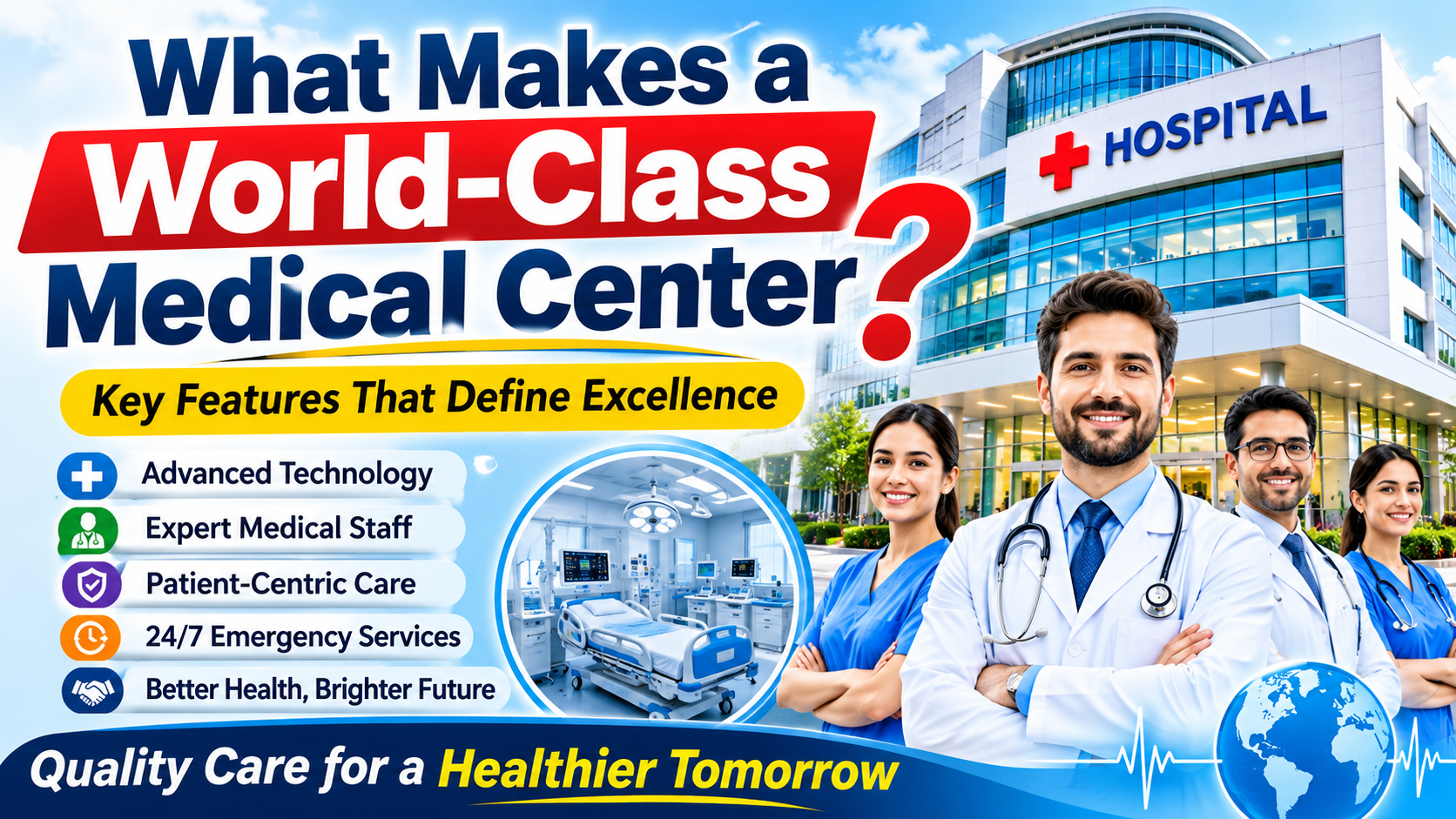
A world-class medical center combines advanced technology, highly qualified specialists, patient-centered care, active research programs, measurable safety outcomes, and recognized accreditation. These institutions consistently invest in innovation while maintaining accessibility and transparency, giving patients confidence that they’re receiving the best possible care available.
Choosing where to receive medical care ranks among the most consequential decisions a person can make. A misdiagnosis, a delayed treatment, or substandard surgical care can alter the trajectory of someone’s life. That’s why distinguishing a genuinely excellent medical center from an average one matters so much, not just for individual patients but for entire communities that depend on these institutions during their most vulnerable moments.
Healthcare excellence isn’t an abstract concept. It shows up in measurable outcomes, verifiable credentials, and the lived experience of patients who walk through a hospital’s doors. A world-class medical center doesn’t earn that reputation through marketing alone. It earns it through sustained investment in technology, talent, research, and transparency over years and often decades.
This post breaks down the eight defining characteristics that separate top-tier medical institutions from the rest. Whether you’re evaluating a hospital for an upcoming procedure, researching healthcare options for a loved one, or simply curious about what separates exceptional care from adequate care, understanding these factors will help you make a more informed decision.
What Role Does Advanced Medical Technology Play in Top-Tier Hospitals?
Technology forms the backbone of modern medical excellence. World-class medical centers invest heavily in diagnostic equipment and surgical infrastructure because precision at every stage of care, from initial diagnosis to post-operative recovery, directly impacts patient outcomes.
State-of-the-Art Diagnostic Equipment and Surgical Facilities
Leading medical centers equip their facilities with advanced imaging technology, including high-resolution MRI and CT scanners, PET imaging, and 3D mammography systems. These tools allow physicians to detect conditions earlier and with greater accuracy, which often translates to less invasive treatment options and better long-term prognoses.
Surgical facilities at top institutions also reflect this commitment. Robotic-assisted surgical systems, advanced anesthesia monitoring, and hybrid operating rooms that combine surgical and imaging capabilities allow surgeons to perform complex procedures with greater precision and fewer complications.
Investment in Cutting-Edge Treatment Modalities and Research Capabilities
Beyond diagnostics, exceptional medical centers continuously adopt emerging treatment technologies. This might include targeted radiation therapy for cancer patients, minimally invasive cardiac procedures, or advanced genetic testing capabilities that inform personalized treatment plans. These institutions treat technology adoption as an ongoing priority rather than a one-time investment.
How Do Digital Health Systems Improve Patient Care?
Electronic health records (EHR) and integrated digital health systems allow care teams to coordinate seamlessly across departments. When a cardiologist, primary care physician, and physical therapist can all access the same patient record in real time, care becomes more coordinated and errors become less likely. Top medical centers prioritize interoperability between systems so that patient information flows efficiently, reducing redundant testing and improving communication across specialties.
Why Do Highly Qualified Medical Professionals Define Healthcare Excellence?
Technology alone doesn’t make a medical center exceptional. The people operating that technology and making clinical decisions matter just as much, if not more.
Board-Certified Physicians and Specialists with Extensive Experience
World-class medical centers recruit and retain board-certified physicians who have completed rigorous training in their specialties. Board certification signals that a physician has met established standards of knowledge and skill within their field, and it requires ongoing recertification to maintain. Patients evaluating a medical center should look for a high concentration of board-certified specialists, particularly in the departments most relevant to their care needs.
Ongoing Professional Development and Continuing Medical Education
Medicine evolves constantly, and the best institutions make sure their staff evolves with it. Continuing medical education (CME) requirements push physicians to stay current with the latest research, treatment protocols, and technology. Medical centers that prioritize excellence often go beyond minimum CME requirements, offering internal training programs, grand rounds, and case review sessions that keep clinical teams sharp.
What Makes Multidisciplinary Care Teams More Effective?
Complex medical cases rarely fit neatly into a single specialty. A cancer patient might need input from an oncologist, surgeon, radiologist, nutritionist, and mental health professional. World-class medical centers structure their care delivery around multidisciplinary teams that collaborate on these complex cases, ensuring that treatment plans reflect comprehensive expertise rather than a single specialist’s isolated perspective. This team-based approach has been shown to improve outcomes, particularly in oncology, cardiology, and other complex specialties.
How Does Patient-Centered Care Shape the Hospital Experience?
Clinical excellence means little if patients feel like numbers rather than people. Top medical centers recognize that the experience of receiving care matters alongside the quality of that care.
A Compassionate, Personalized Approach to Treatment and Recovery
Exceptional medical centers train staff to treat patients as individuals with unique circumstances, fears, and preferences. This might look like nurses who take time to explain procedures in plain language, or care coordinators who check in on patients after discharge. Compassion isn’t incidental to excellent care; it’s foundational to it, and institutions that prioritize it tend to see better patient satisfaction and adherence to treatment plans.
Clear Communication and Shared Decision-Making with Patients
Choose a medical center that prioritizes shared decision-making if you want a provider who treats you as a partner in your own care rather than a passive recipient of instructions. The best institutions ensure physicians explain diagnoses, treatment options, risks, and expected outcomes clearly, giving patients the information they need to make informed choices about their own health.
Convenient Access, Short Wait Times, and Supportive Amenities
Practical considerations matter too. World-class medical centers work to minimize wait times for appointments and procedures, streamline scheduling, and offer amenities that ease the stress of medical visits, such as comfortable waiting areas, clear signage, and support staff who can answer logistical questions. These details might seem minor individually, but together they shape whether a patient feels cared for or processed.
Why Is Research and Innovation a Hallmark of Leading Medical Institutions?
The most respected medical centers don’t just apply existing medical knowledge. They contribute to generating new knowledge that advances the field.
A Commitment to Clinical Research and Medical Breakthroughs
Institutions that run active clinical trials give patients access to emerging treatments that may not yet be widely available, sometimes years before they become standard practice. This commitment to research also tends to attract top physicians who want to practice at the cutting edge of their field, creating a virtuous cycle of talent and innovation.
Partnerships with Academic Institutions and Research Organizations
Many of the most respected medical centers maintain formal affiliations with universities and research organizations. These partnerships facilitate knowledge exchange, provide access to research funding, and create training pipelines for the next generation of physicians. Teaching hospitals, in particular, benefit from this academic integration, as medical residents and fellows bring fresh perspectives while learning from experienced faculty.
Investment in Emerging Treatments and Preventive Medicine
Beyond treating existing conditions, world-class medical centers invest in preventive medicine initiatives designed to catch health issues before they become serious. This might include genetic screening programs, early cancer detection initiatives, or chronic disease management programs that help patients avoid costly and dangerous complications down the road.
What Quality Outcomes and Safety Standards Should Patients Look For?
Ultimately, the measure of a medical center’s excellence comes down to outcomes. Choose an institution with a demonstrated track record if measurable results matter more to you than reputation alone.
A Consistent Track Record of Positive Patient Outcomes
Top medical centers track and report outcome data across specialties, including surgical success rates, readmission rates, and recovery times. Consistent, positive outcomes over time indicate that an institution’s processes, staff, and technology work together effectively rather than relying on isolated successes.
Rigorous Infection Control and Patient Safety Protocols
Hospital-acquired infections remain a serious concern across the healthcare industry. World-class medical centers implement strict infection control protocols, including thorough sterilization procedures, hand hygiene compliance monitoring, and isolation protocols for contagious conditions. These measures protect patients during what is often already a vulnerable time.
Why Does Transparent Reporting of Performance Metrics Matter?
The best medical centers don’t hide their performance data. They publish quality indicators, patient satisfaction scores, and safety metrics openly, allowing patients and referring physicians to make informed comparisons. This transparency builds trust and holds institutions accountable to continuous improvement.
How Do Accreditation and Recognition Validate Medical Excellence?
Third-party validation provides an important check on a medical center’s self-reported excellence.
Joint Commission Accreditation and Other Prestigious Certifications
In the United States, Joint Commission accreditation represents one of the most widely recognized seals of quality in healthcare. This accreditation requires hospitals to meet rigorous standards across patient safety, infection control, and care quality, with regular reviews to maintain certification. Specialty-specific certifications, such as those for stroke centers or cancer programs, provide additional validation in specific areas of care.
Recognition from Leading Healthcare Rankings and Publications
Independent rankings from organizations that evaluate hospital performance across specialties offer another useful data point. While no single ranking tells the whole story, consistent recognition across multiple independent evaluations suggests a pattern of sustained excellence rather than a single strong year.
Awards and Accolades from Industry Organizations
Beyond formal rankings, awards from professional medical organizations and industry groups can highlight specific strengths, such as nursing excellence, technological innovation, or community health initiatives. These accolades, taken together with accreditation and outcome data, help paint a fuller picture of an institution’s strengths.
Why Does Community Engagement and Accessibility Matter for Healthcare Excellence?
A medical center’s excellence extends beyond its walls into the community it serves.
Community Health Programs and Outreach Initiatives
Leading medical centers invest in programs that address health needs within their broader community, such as free screening events, health education workshops, and partnerships with local organizations to address social determinants of health. These initiatives reflect a commitment to population health, not just individual patient care.
A Diverse, Inclusive Environment Serving All Populations
Choose a medical center that demonstrates genuine inclusivity if you want care that accounts for cultural, linguistic, and socioeconomic diversity. World-class institutions train staff in culturally competent care, provide interpretation services, and work to eliminate disparities in health outcomes across different populations.
Financial Assistance Programs and Insurance Flexibility
Access to excellent care means little if patients can’t afford it. Top medical centers offer financial assistance programs, charity care policies, and flexibility in working with various insurance providers to ensure that cost doesn’t become an insurmountable barrier to necessary treatment.
Evaluating Your Local Healthcare Options
World-class medical centers share a consistent set of characteristics: advanced technology and infrastructure, highly qualified and collaborative medical teams, patient-centered care practices, active research programs, measurable quality outcomes, recognized accreditation, and genuine community accessibility. No single factor defines excellence on its own. Instead, these elements work together to create institutions capable of delivering consistently superior care.
Choosing where to seek medical treatment deserves the same careful research you’d apply to any major decision. Take time to research hospital accreditation status, review published outcome data, and ask questions about the specific expertise of physicians who would be involved in your care. Look beyond marketing materials to the underlying data that reveals how an institution actually performs.
Your health, and the health of those you love, depends on the quality of care you receive. Use these eight criteria as a framework for evaluating medical centers in your area, and don’t hesitate to ask hospitals directly about their accreditation, outcome data, and safety protocols. The institutions genuinely committed to excellence will have ready answers.
Frequently Asked Questions
What is the single most important factor in choosing a medical center?
No single factor outweighs the others entirely, but outcome data and accreditation status offer the most objective starting points. A hospital with Joint Commission accreditation and strong, transparently reported outcomes in your specific area of need provides a solid foundation for evaluation.
How much does hospital accreditation actually matter?
Accreditation matters significantly because it requires hospitals to meet independently verified standards for safety, quality, and operational practices, with regular reviews to maintain that status. It won’t guarantee a perfect experience, but it does rule out facilities that fail to meet baseline quality thresholds.
Are academic medical centers always better than community hospitals?
Not necessarily. Academic medical centers often excel in research and complex specialty care, making them well-suited for rare or complicated conditions. Community hospitals, however, may offer more personalized care, shorter wait times, and excellent outcomes for common procedures. The right choice depends on your specific medical needs.
How can patients find transparent outcome data for hospitals?
Many hospitals publish quality metrics on their websites, and government and independent healthcare rating organizations also compile comparative data on outcomes, safety, and patient satisfaction. Asking your physician directly about a specific hospital’s experience with your condition can also provide valuable insight.
Does a medical center need to excel in all eight areas to be considered world-class?
Most leading institutions demonstrate strength across most or all of these areas, since they tend to reinforce one another. For example, strong research programs often attract highly qualified physicians, which in turn supports better patient outcomes. That said, patients should prioritize the factors most relevant to their specific medical needs when evaluating options.